


Type
Weapon Case
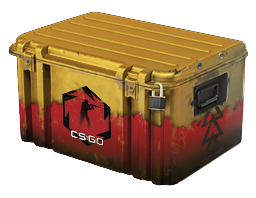
Listings sourced from waxpeer — updated in real time.
1 listing found
Last price updated 55m ago
Weapon Case
Base Grade
Weapon Cases
Danger Zone Case Key
Discontinued
69 items
Opening one returns €0.85 in expected value against a €0.97 weapon case — about 88% of its price. That is an average across many openings, not a forecast for one: most of it sits in rare drops the majority of openings never produce.
| Rarity | Items | Chance | Per item |
|---|---|---|---|
| Rare Special | 52 | 0.26% | 1 in 20000 |
| Covert | 2 | 0.64% | 1 in 312 |
| Classified | 3 | 3.2% | 1 in 94 |
| Restricted | 5 | 16.0% | 1 in 31 |
| Mil-Spec | 7 | 79.9% | 1 in 9 |
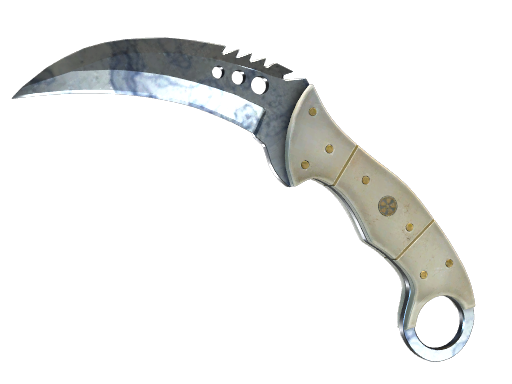
Dearest drop: Talon Knife | Fade at €660.35. Cheapest: Sawed-Off | Black Sand at €0.08.
Every skin here belongs to The Danger Zone Collection.
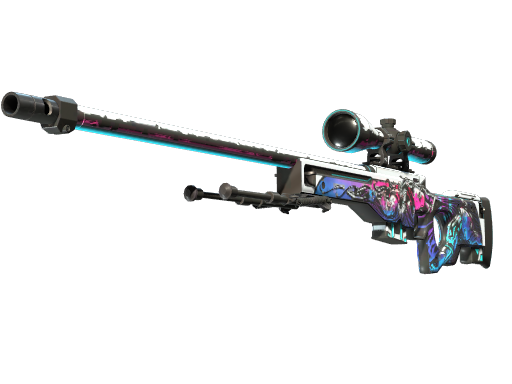
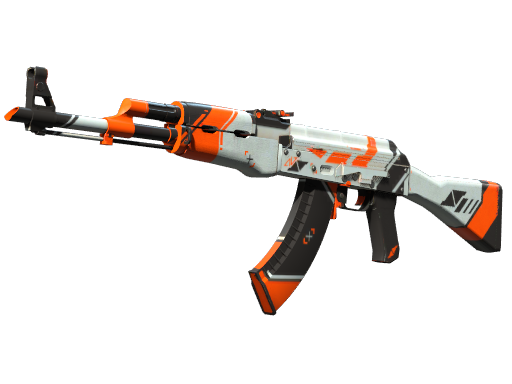
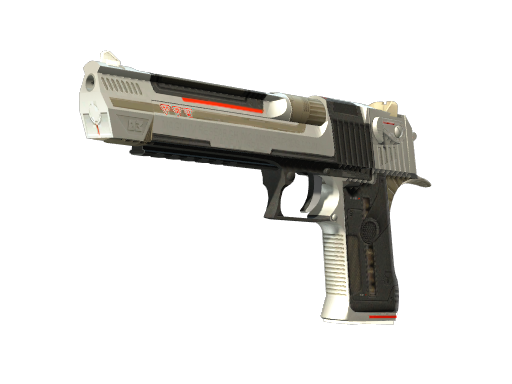
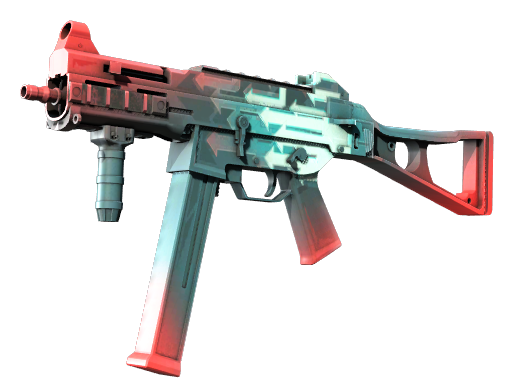
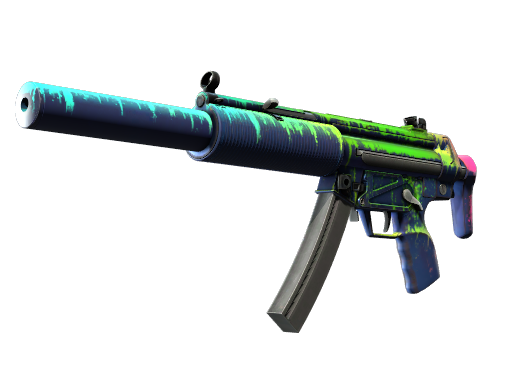
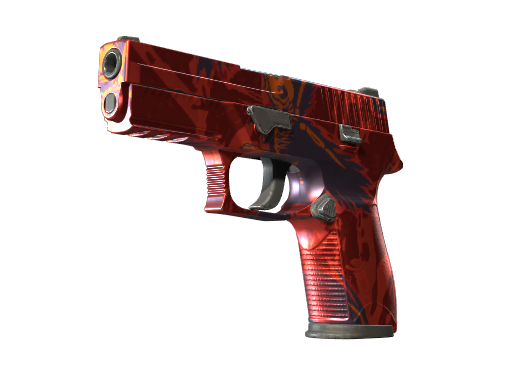
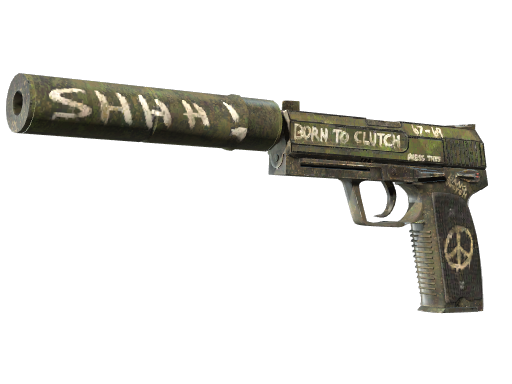
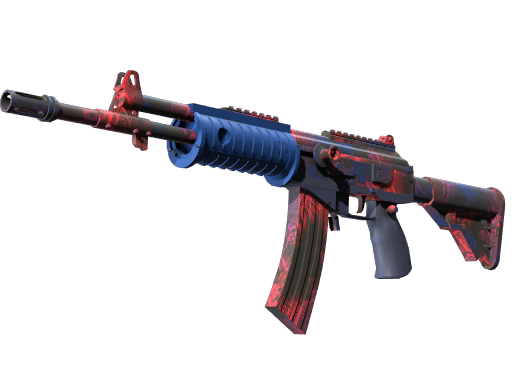
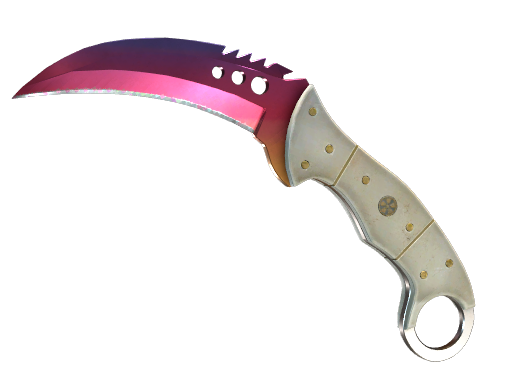
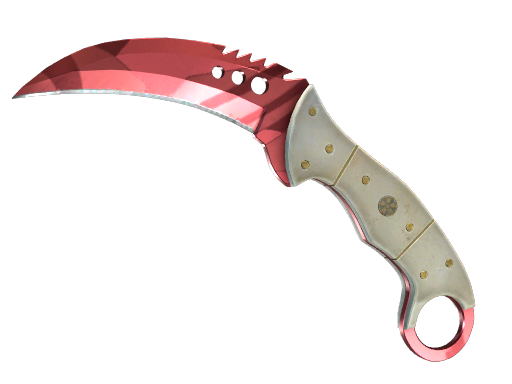
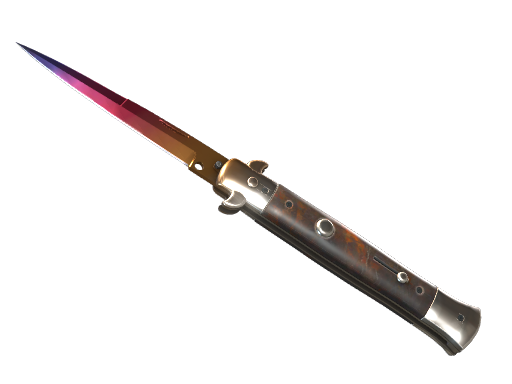
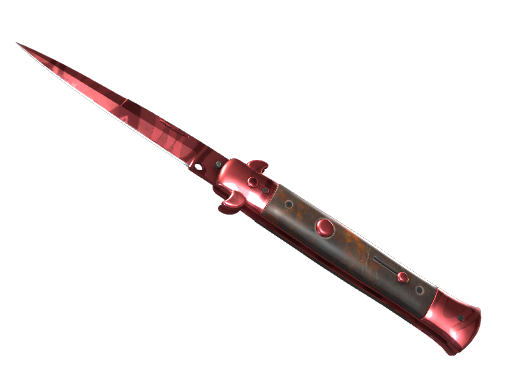
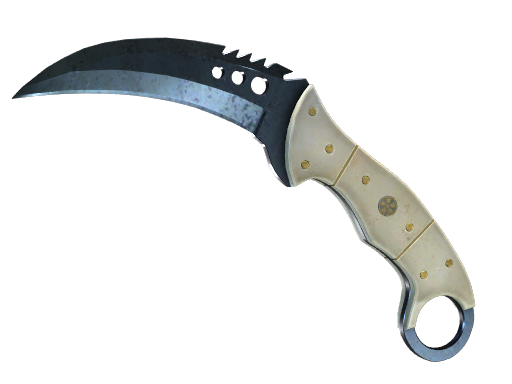
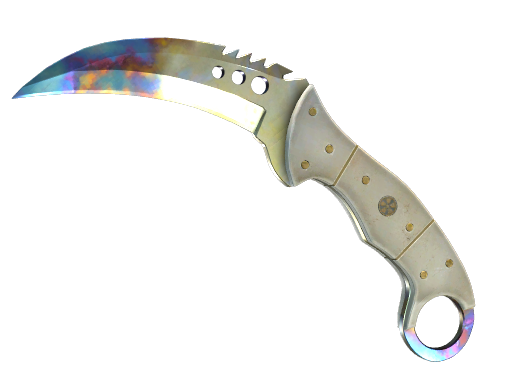
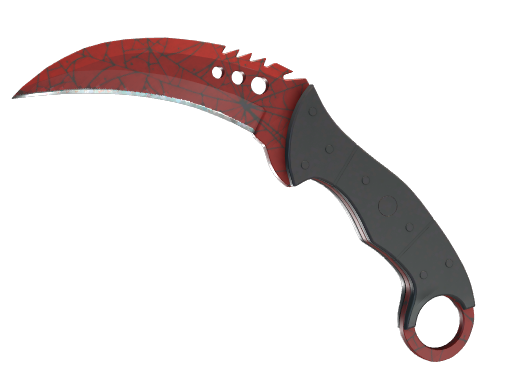
The Danger Zone Case arrived alongside the game mode it is named after and carries finishes in that mode's visual register. It has been in circulation long enough that its market has fully settled, which makes its expected value a more stable figure than a recent case's.
The odds column is Valve's own per-tier publication and is identical across weapon cases; the per-item column divides that tier chance by the number of items in the tier, which is the number that actually tells you how likely a specific skin is. A tier with more items in it makes each individual skin correspondingly rarer at the same tier odds.
The figure above is an average across many openings, carried disproportionately by the rare outcomes. It is the right number for judging whether opening this case is systematically reasonable, and the wrong number for predicting what your next opening returns. Both the arithmetic and its limits are stated here so the conclusion stays yours. No figure on this page is a recommendation, and none of it accounts for the key, which is a fixed additional cost on every single opening and is not included in the case price shown above.
Older cases with long trading histories make better reference points than new ones. Their prices have absorbed the initial release rush, the supply picture is stable, and the expected value computed from them moves slowly enough to be worth comparing week to week. If you are trying to build an intuition for what a healthy case-to-expected-value ratio looks like, cases at this stage of life are the ones to calibrate against. Newer releases can look extraordinary on paper for a few weeks purely because their contents have not yet found a clearing price, and that distortion resolves in both directions.