

Compare CS2 Cases
Compare CS2 weapon case prices across 27 marketplaces in real time, from Kilowatt and Revolution to the discontinued classics. Free, no login required.
- Weapon Case Base GradeStarts from €0.11
- Weapon Case Base GradeStarts from €0.18
- Weapon Case Base GradeStarts from €0.36
- Weapon Case Base GradeStarts from €0.42
- Weapon Case Base GradeStarts from €0.47
- Weapon Case Base GradeStarts from €0.60
- Weapon Case Base GradeStarts from €0.80
- Weapon Case Base GradeStarts from €0.94
- Weapon Case Base GradeStarts from €0.97
- Weapon Case Base GradeStarts from €2.28
- Weapon Case Base GradeStarts from €2.54
- Weapon Case Base GradeStarts from €2.61
- Weapon Case Base GradeStarts from €3.03
- Weapon Case Base GradeStarts from €3.12
- Weapon Case Base GradeStarts from €3.27
- Weapon Case Base GradeStarts from €4.13
- Weapon Case Base GradeStarts from €4.39
- Weapon Case Base GradeStarts from €8.64
- Weapon Case Base GradeStarts from €10.33
- Weapon Case Base GradeStarts from €11.37
- Weapon Case Base GradeStarts from €11.55
- Weapon Case Base GradeStarts from €18.99
- Weapon Case Base GradeStarts from €37.98
- Weapon Case Base GradeStarts from €48.29
- Weapon Case Base GradeStarts from €90.97
- Weapon Case Base GradeStarts from N/A
- Weapon Case Base GradeStarts from N/A
- Weapon Case Base GradeStarts from N/A
- Weapon Case Base GradeStarts from N/A
- Weapon Case Base GradeStarts from N/A
- Weapon Case Base GradeStarts from N/A
- Weapon Case Base GradeStarts from N/A
- Weapon Case Base GradeStarts from N/A
- Weapon Case Base GradeStarts from N/A
- Weapon Case Base GradeStarts from N/A
- Weapon Case Base GradeStarts from N/A
- Weapon Case Base GradeStarts from N/A
- Weapon Case Base GradeStarts from N/A
- Weapon Case Base GradeStarts from N/A
- Weapon Case Base GradeStarts from N/A
- Weapon Case Base GradeStarts from N/A
- Weapon Case Base GradeStarts from N/A

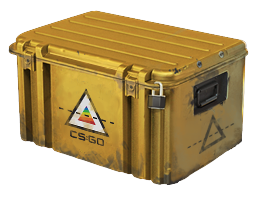
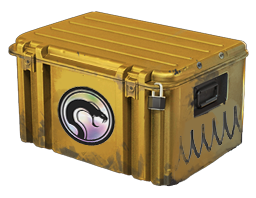
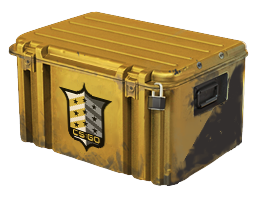
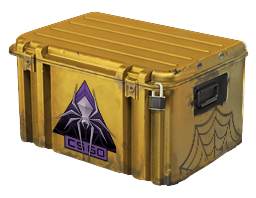
The Complete Guide to CS2 Case Prices
How Case Prices Actually Work
A case is worth what its contents and its scarcity say it is worth, and those two things pull against each other over time. While a case is still dropping at the end of matches, supply grows every day and the price sits near the floor — a few cents. Once Valve retires it from the active drop pool, no new copies ever enter circulation, and every case someone opens is destroyed permanently. From that point supply only moves one way, which is why discontinued cases with a strong knife or Covert lineup have appreciated for years.
Opening Versus Buying
The expected value of opening a case is lower than its price plus the key, by design rather than by accident. Rarity odds are weighted heavily toward the bottom tiers: the Covert skins and rare special items that make a case desirable are the least likely outcomes by a wide margin. If you want a particular skin, buying it outright is cheaper on average than trying to pull it. Opening cases is entertainment with a residual value, not an acquisition strategy.
Keys, and Why They Stopped Trading
Every case needs a matching key. In October 2019 Valve made newly purchased keys permanently untradeable and unmarketable, after keys had become a de facto currency for moving value between accounts. Keys bought before that change kept their tradeable status and now trade at a large premium as a separate collectible. For everyone else the key is a sunk cost that has to be counted into the price of an open.